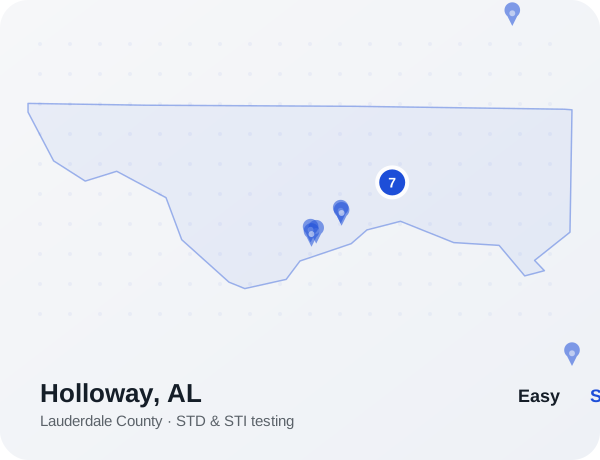
Along the old towpath of the Muscle Shoals Canal, where generations of Holloway families built lives close enough to share a borrowed truck or a Sunday dinner, health decisions have always traveled the same way everything else does. Together. With nearly two-thirds of adults married and average households running close to three people, a choice about STI screening isn't usually a solo errand; it's something that gets weighed alongside work schedules, shared finances, and a partner's calendar. That partnered, owner-heavy character shapes the practical picture in ways worth naming.
The strong homeownership rate here suggests stability, and unemployment is remarkably low, which means most working-age adults aren't scrambling for income, but they are putting in hours. Evenings and weekends fill fast. For younger adults in their late teens and twenties, statistically the years when STIs are most commonly transmitted and diagnosed, that drive has to feel worth the trip, which is a higher bar than it sounds. The testing options listed here help close that gap.
Some offer sliding fees or evening hours that fit around the schedules of Killen Park–area households. Whether someone's newly partnered, in a long-term relationship, or navigating something in between, the range of choices means the right fit is likely somewhere in the list.